.jpg)
How AI is Shaping Personalised Cosmetic Consu...
Imagine walking into a beauty clinic...
Imagine walking into a beauty clinic...
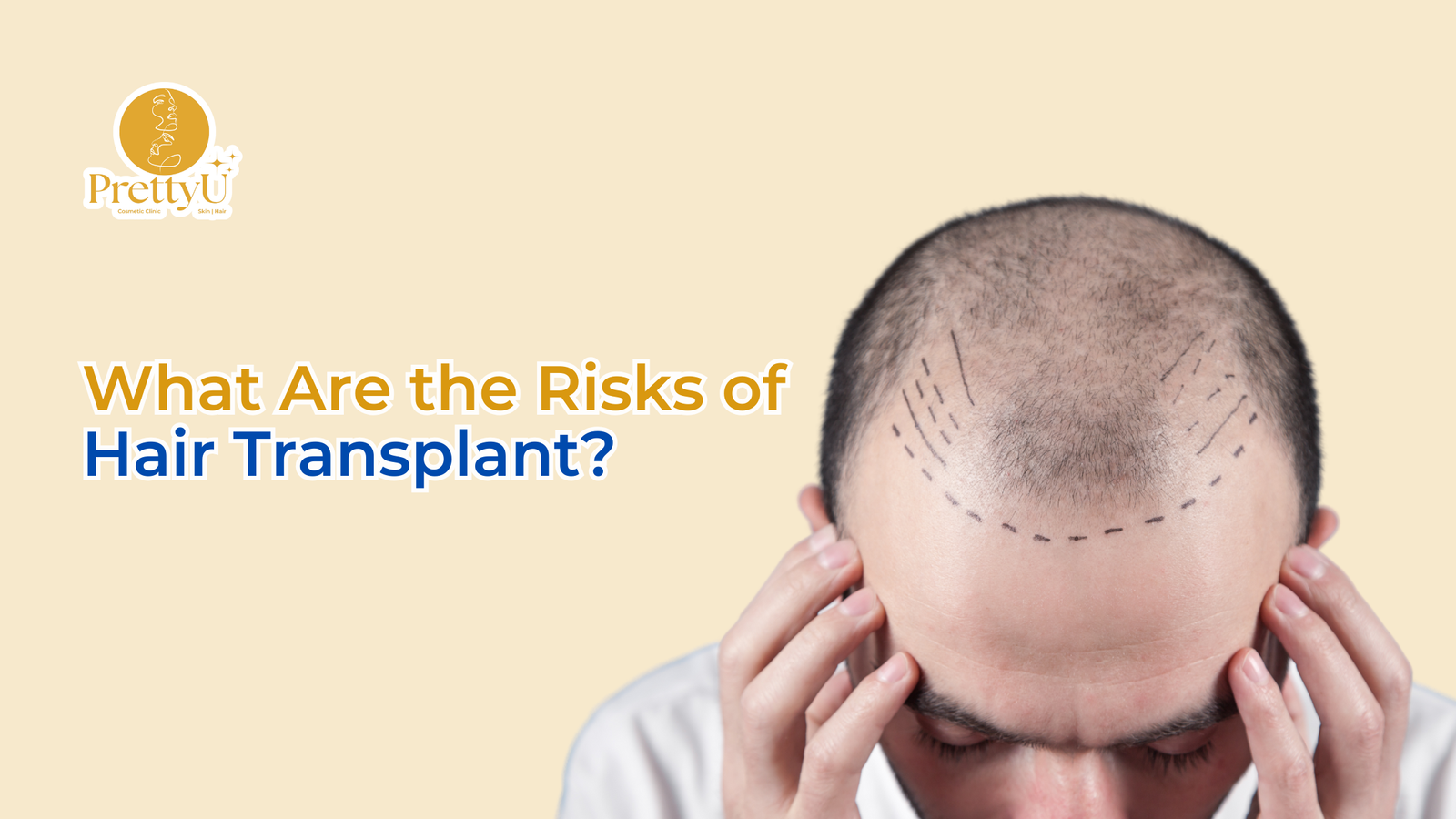
Hair transplant surgery i...
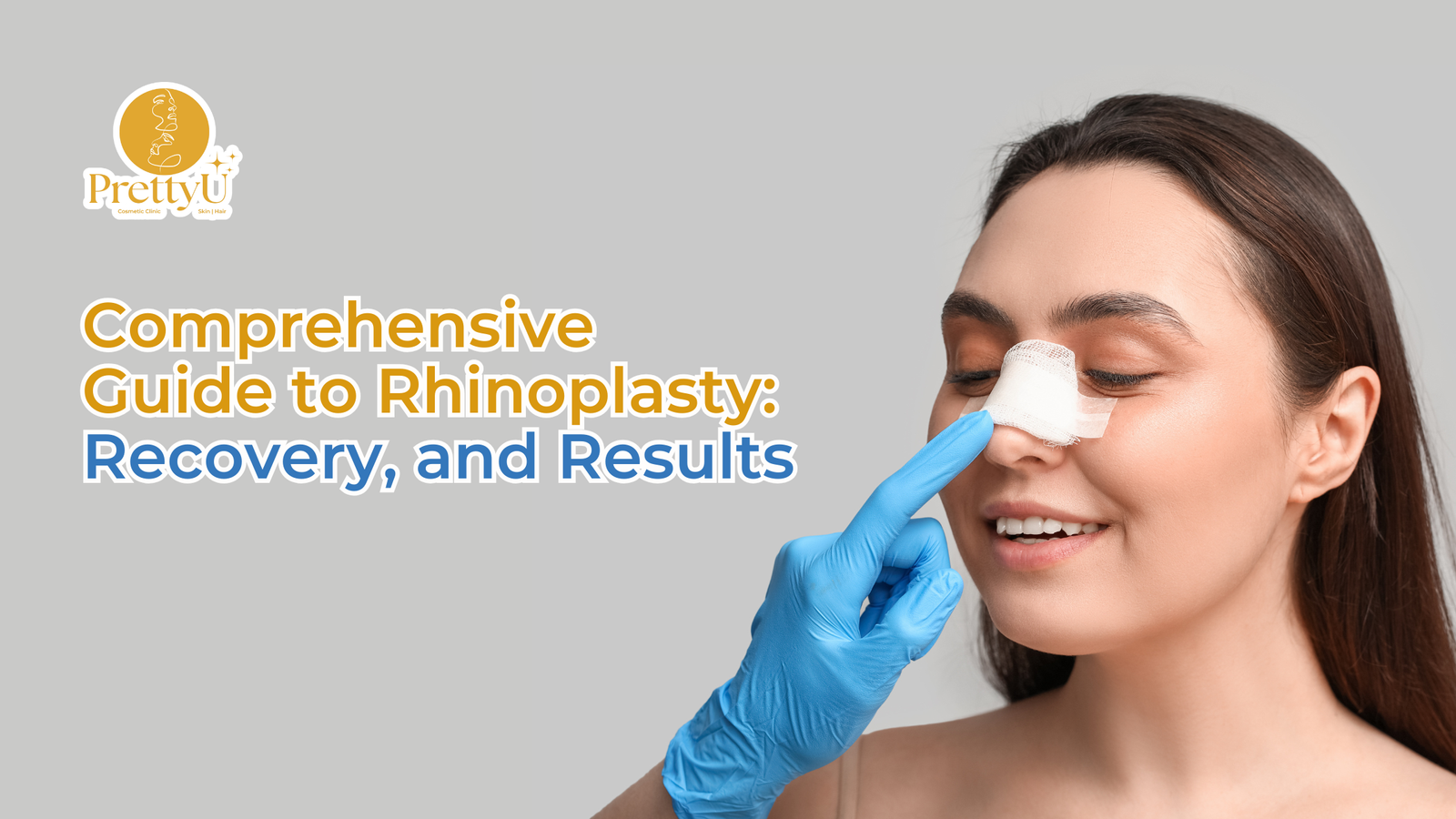
nose surgery results is v...
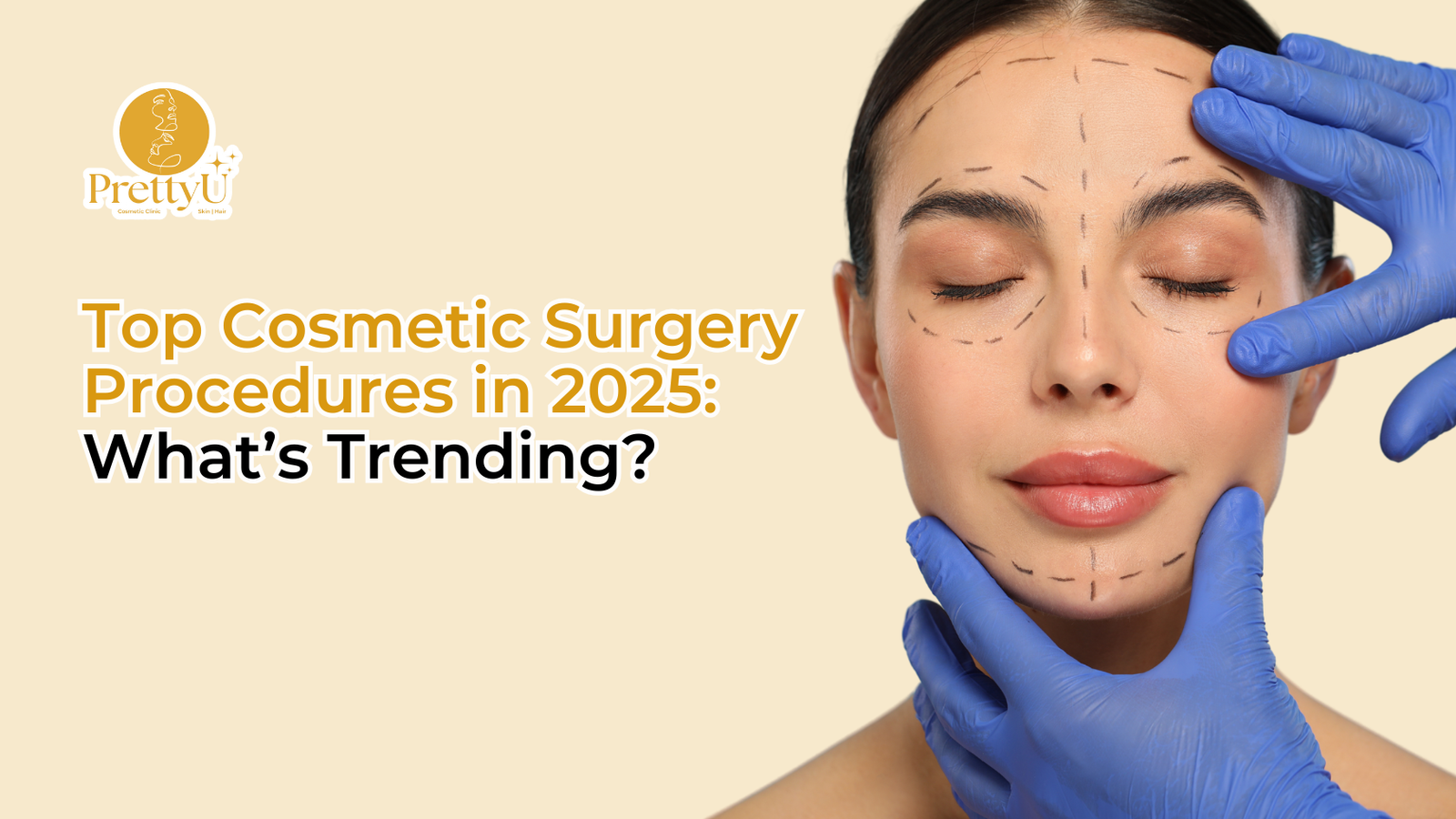
procedure of liposuction ...
Imagine walking into a beauty clinic where the advice feels made just for you, not some generic tips. The old days of quick skincare chats are gone. Now, AI helps spot what your skin really needs from hidden spots to changes that may come later.
People want beauty plans that fit their lifestyle. Custom cosmetics sales went up 25% last year, according to Statista. This article explains how AI is behind this shift. It covers tools for skin checks, product suggestions, procedure planning, and more. You’ll see why AI makes consultations smarter and safer.
Section 1: Data-Driven Diagnosis: The Foundation of AI Consultations
AI builds personalized cosmetic advice based on real data, not guesses. It uses scans and records to give a full picture of your skin. This lets experts give advice that truly fits you.
Advanced Skin Analysis and Imaging Technologies
High-res 3D scans and special cameras see details the human eye can’t. They map pores, wrinkles, and even deep skin pigment. Some tech can even show collagen levels and blood flow clearly.
These tools catch issues like early sun damage before they appear. A regular phone picture can’t do this. Look for clinics with professional imaging they give a strong start to your plan.
Tip: Ask if they use devices like the VISIA scanner, which tracks changes over time.
A study in the Journal of Cosmetic Dermatology found these scans improve accuracy by 40%. You get the real story about your skin, not just what’s on the surface.
Utilising Patient History and Genomic Data Integration
AI also looks at your health records, habits, and even genetic hints linked to skin traits. It connects things like smoking or diet to how your skin ages.
Doctors add notes from past visits or apps. AI spots patterns, like allergies from family history. Dr. Elena Vasquez, a skin expert in London, says: “Mixing old records with new scans is tricky, but AI handles it well.”
Privacy is important, and data is anonymized. This full view means fewer surprises during treatment.
Predictive Modelling for Treatment Outcomes
Think of a “digital twin” a virtual version of you that tests treatments first. AI simulates how fillers or creams will affect you months ahead. It considers age, skin type, and routine.
These models show glow-ups or dry spots. For example, it can warn if a laser may irritate sensitive areas. Patients love seeing previews it reduces stress.
AI learns from real results to improve predictions over time. You get plans that last, not fads that fade.
Section 2: Hyper-Personalised Product Recommendations
AI makes picking skincare easy. It scans your data to suggest products made for you. No more guessing or mismatched shelves.
AI-Powered Ingredient Matching and Formulation
Skip simple quizzes about dry or oily skin. AI studies your profile to match ingredients like hyaluronic acid to your needs. It even considers stress or weather.
For example, Proven Skincare uses AI to test 1,000 ingredients and create serums. Users see results in weeks. AI ensures your routine fits your life and changes with seasons.
Customising Skincare Routines Based on Geography and Climate
Where you live affects your skin. AI pulls live weather and pollution data and gives daily tips. Sunny area? More SPF. Rainy city? Extra moisture.
Apps like Neutrogena’s link weather feeds to your phone. You get alerts: “Boost moisture today.” Travellers benefit most because AI adapts anywhere.
Virtual Try-On Technology and Augmented Reality (AR) Visualisation
AR lets you try new looks without needles. Apps overlay Botox or lip filler lines on selfies. You can see brow lifts or contour in real-time.
L’Oréal’s ModiFace tool does this for millions, mapping faces for realistic views. A beauty tech survey says 70% of users feel more confident after trying AR.
Section 3: Revolutionising Cosmetic Procedure Planning
AI makes procedures more precise. It maps your face like a blueprint, reducing errors. You get refreshed, natural results.
Precision in Injectable Planning and Dosage Calibration
AI scans muscles and veins to pick exact injection spots, avoiding risks like blocked blood flow. Dosages match your bone structure.
Tools from Allergan guide needles with overlays. Clinics report 30% fewer side effects. The result? Natural, happy smiles.
Optimising Laser and Energy-Based Treatment Parameters
Lasers need the right settings. AI checks your skin to choose the right power, speed, and light type. It predicts healing time and adjusts body treatments too. Experts say results improve by 25%.
Ethical Considerations in AI-Guided Cosmetic Surgery Planning
AI gives suggestions, but humans decide. Surgeons weigh advice against your wishes. Bias in data can be fixed with diverse inputs. Associations stress that AI assists, it doesn’t replace human care.
Balance technology with human touch; you deserve treatments that feel right.
Section 4: Enhancing Accessibility and Patient Education
AI makes expert care easier to access. It answers questions anytime and teaches you along the way. No more waiting rooms for small questions.
Democratising Expert Advice Through Chatbots and Virtual Assistants
Chatbots handle first conversations 24/7. They explain post-care, book appointments, and tweak plans. Sephora’s app bot answers makeup questions quickly. These tools boost visits by 20% and keep you in the loop from home.
AI as an Objective Second Opinion Tool
Not sure about a plan? AI checks notes for mistakes. It flags mismatches like wrong products. Apps can scan pictures for quick advice, like a neutral friend reviewing your plan.
Continuous Learning and Feedback Loops
AI learns from your results to improve for others. If a cream doesn’t work, it notes why. Accuracy grows over time. Everyone benefits, and you help shape the future of skincare.
Conclusion: The Future Landscape of Aesthetic Medicine
AI makes cosmetic consultations smarter and personalised. Vague tips are replaced by predictions that fit your life.Still, human care matters. Tech enhances, it doesn’t replace empathy and guidance. In the future, AI will spot problems early, preventing issues before they start. Ready to try? Book a smart consultation today. Your best skin awaits.
Imagine walking into a beauty clinic...
Hair transplant surgery i...
nose surgery results is v...
procedure of liposuction ...
